
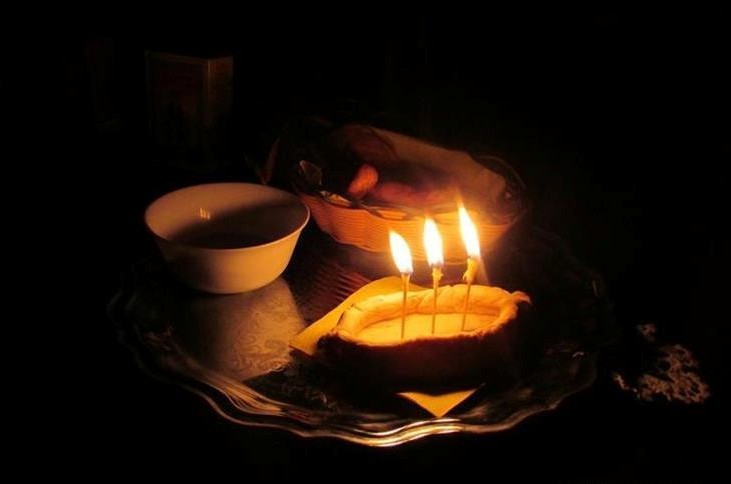
Zul is the main national and religious holiday of the Kalmyk people, often referred to as the Kalmyk New Year. It holds a special place in Kalmyk culture and is closely connected with Tibetan Buddhism of the Gelug tradition.
Meaning and Significance
Zul symbolizes:
- renewal of life and the human spirit
- longevity and well-being
- the victory of light over darkness
- respect for ancestors and spiritual teachers
According to tradition, on the day of Zul every person becomes one year older, regardless of their actual birthday.
When It Is Celebrated
Zul does not have a fixed date. It is celebrated:
- in late November or December
- on the 25th lunar day of the “Ox month” according to the Buddhist calendar
Main Traditions of Zul
Lighting the Lamps
The central symbol of the holiday is the oil lamp (zul).
The wick is made of dough and shaped to represent a human figure. The number of wicks corresponds to the number of family members.
Lamps are lit:
- for the health of the living
- in memory of deceased relatives
- with prayers for happiness, peace, and long life
Prayers and Visiting the Temple
On this day people:
- recite special prayers
- visit khuruls (Buddhist temples)
- honor and remember ancestors
Zul is not a loud or festive celebration, but a deeply spiritual and family-centered holiday.
Festive Meal
Traditional foods include:
- borsoki (fried dough pastries)
- Kalmyk tea (jomba)
- dairy products
- meat dishes
Sharing food is essential; generosity on Zul is considered a good sign for the coming year.
Cleanliness and Renewal
Before Zul, it is customary to:
- clean the home
- wear clean or new clothes
- forgive others and reconcile
It is believed that the way you celebrate Zul determines how the year will unfold.
Today, Zul is celebrated:
- officially in Kalmykia, where it is a public holiday
- in Kalmyk families around the world
- within Kalmyk diaspora communities, including those in the United States and Europe
Zul continues to unite people, reminding them of their roots, family bonds, and spiritual values.
